
The Complete Guide to Marine Engine Spare Parts: Everything Ship Owners Need to Know
Understanding Marine Engines and Their Components
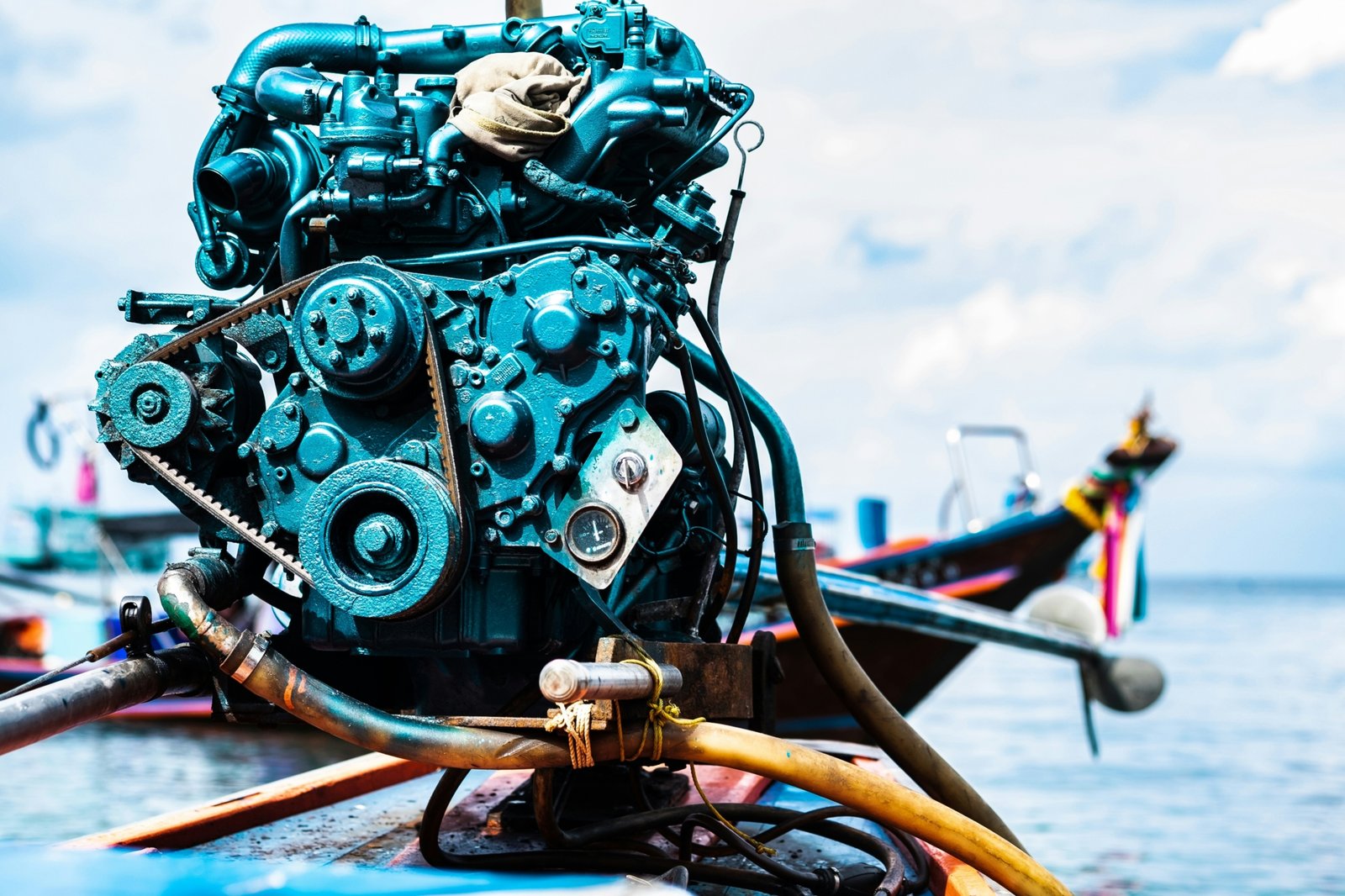
Marine engines serve as the heart of any vessel, allowing it to navigate through waters efficiently. These engines can be categorized broadly into two types: diesel engines and gasoline engines, each having unique applications based on their efficiency, power output, and operating costs. Diesel engines dominate the marine sector due to their durability and fuel efficiency, particularly in larger ships and cargo vessels.
At the core of marine engines are several crucial components that work in unison to ensure smooth operations. One of the primary components is the piston, which converts the energy produced by the combustion of fuel into mechanical energy. This mechanical energy then drives the crankshaft, which is another essential part of the marine engine, responsible for converting linear motion into rotational motion. Together, these components play a critical role in the overall performance of the engine.
Cylinders are also key components in marine engines, serving as the chambers where fuel combustion occurs. The efficiency of a marine engine is largely influenced by the design and condition of its cylinders, impacting factors such as power output and fuel consumption. Additionally, the crankshaft not only connects to the pistons but also interacts with various auxiliary components, such as camshafts and turbines, facilitating the intricate process needed for propulsion and mechanical power generation.
Furthermore, the incorporation of marine engine spare parts is vital for maintaining and prolonging the life of these components. Regular maintenance involving the replacement of worn-out spare parts ensures optimal engine performance, reduced downtime, and enhances the overall reliability of marine operations. Whether it’s checking the integrity of the pistons or replacing crankshaft bearings, understanding the key components of marine engines plays a critical role in effective vessel management.
Common Spare Parts for Marine Engines
Marine engines are crucial components of any seafaring vessel, and understanding their spare parts is essential for effective maintenance and operation. These spare parts can be categorized into two main types: consumable parts and critical parts. Each type plays a significant role in ensuring the smooth functioning of marine engines.
Consumable parts are those that are regularly replaced to ensure optimal engine performance. This category includes items such as filters, lubricating oils, and coolants. Filters, for instance, play a vital role in preventing contaminants from damaging engine components. Marine engine oil needs frequent changes to maintain lubrication and cooling efficiency. Typically, the average lifespan of these consumable parts ranges from a few months to a year, depending on usage and operating conditions. Ship owners should remain vigilant for signs such as increased oil consumption, unusual noises, or changes in engine performance, as these may indicate that consumable parts require attention or replacement.
On the other hand, critical parts are essential for the engine’s operation, and their failure can lead to severe consequences. This category includes pumps, injectors, and turbochargers. For example, fuel injectors are crucial for proper fuel delivery to the combustion chamber. Signs such as uneven engine performance, excessive exhaust smoke, or fuel leakage can’t be ignored, as they may suggest that these critical parts are failing. The lifespan of critical marine engine spare parts can vary widely but generally tends to span several years. Regular inspections and maintenance are vital to identify issues early and ensure that these parts are replaced proactively.
By familiarizing themselves with these common spare parts, ship owners can better anticipate their maintenance needs and ensure the longevity of their marine engines, thereby avoiding costly repairs and operational downtimes.
Choosing the Right Spare Parts: OEM vs Aftermarket
When it comes to maintaining marine engines, selecting the right spare parts is crucial for operational efficiency and longevity. Ship owners often face the choice between original equipment manufacturer (OEM) parts and aftermarket alternatives. Understanding the distinctions between these two categories is essential for making an informed decision.
OEM parts are produced by the original manufacturer of the engine, ensuring a perfect fit and compatibility. These components tend to meet the stringent quality standards set by the manufacturer. The advantages of using OEM marine engine spare parts include enhanced reliability and performance, often resulting in reduced maintenance costs over time. However, these advantages come at a premium price, and budget-conscious ship owners may find the costs prohibitively high.
On the other hand, aftermarket parts are produced by third-party manufacturers and can come at a significantly lower cost. While some aftermarket products can offer good quality and a suitable fit, the variability among manufacturers means that quality is not guaranteed. It is essential for ship owners to thoroughly evaluate aftermarket suppliers and ensure the components meet or exceed OEM specifications. This can include examining certifications, customer reviews, and warranty policies.
When considering either OEM or aftermarket marine engine spare parts, reliability is of utmost importance. Spare parts should be sourced from reputable suppliers with a track record of positive performance in the marine industry. Warranties play a crucial role in this evaluation, as a robust warranty can indicate a manufacturer’s confidence in the quality of their product. Ultimately, ship owners should weigh the benefits of cost against the assurances of quality and compatibility, ultimately choosing spare parts that align with their operational needs and budget.
Maintenance and Replacement Strategies for Marine Engine Spare Parts
Effective maintenance of marine engine spare parts is crucial for ensuring the longevity and efficiency of a vessel’s engine. To maintain optimal performance, ship owners should establish a routine inspection schedule to identify any wear and tear on engine components. Regular inspections allow for the early detection of issues, enabling timely repairs or replacements of marine engine spare parts before they can lead to more significant failures.
Cleaning marine engine spare parts also plays a vital role in maintaining engine health. Accumulation of dirt, grime, and corrosion can impede the performance of various components. Implementing a cleaning regimen focused on high-traffic areas, such as filters, injectors, and cooling systems, can significantly enhance engine efficiency and prolong the lifespan of these essential parts.
Routine replacement of specific marine engine spare parts is another critical aspect of maintenance. Components such as oil filters, fuel filters, and anodes have predictable lifespans and must be replaced regularly to prevent engine malfunctions. By adhering to the manufacturer’s recommended replacement schedule, ship owners can reduce the risk of unexpected downtime and costly repairs.
To further streamline maintenance efforts, developing a spare parts inventory management system is recommended. An organized inventory enables ship owners to track the condition and availability of marine engine spare parts. This system should include detailed records of parts used, their performance history, and expected replacement dates, creating a proactive approach to inventory management.
Moreover, diversifying suppliers for marine engine spare parts can substantially reduce lead times when parts need replacements. Staying organized and preparing for future needs is essential in minimizing disruptions to vessel operations. Implementing these strategies will not only enhance the overall performance of marine engines but also ensure cost-effectiveness over time.