
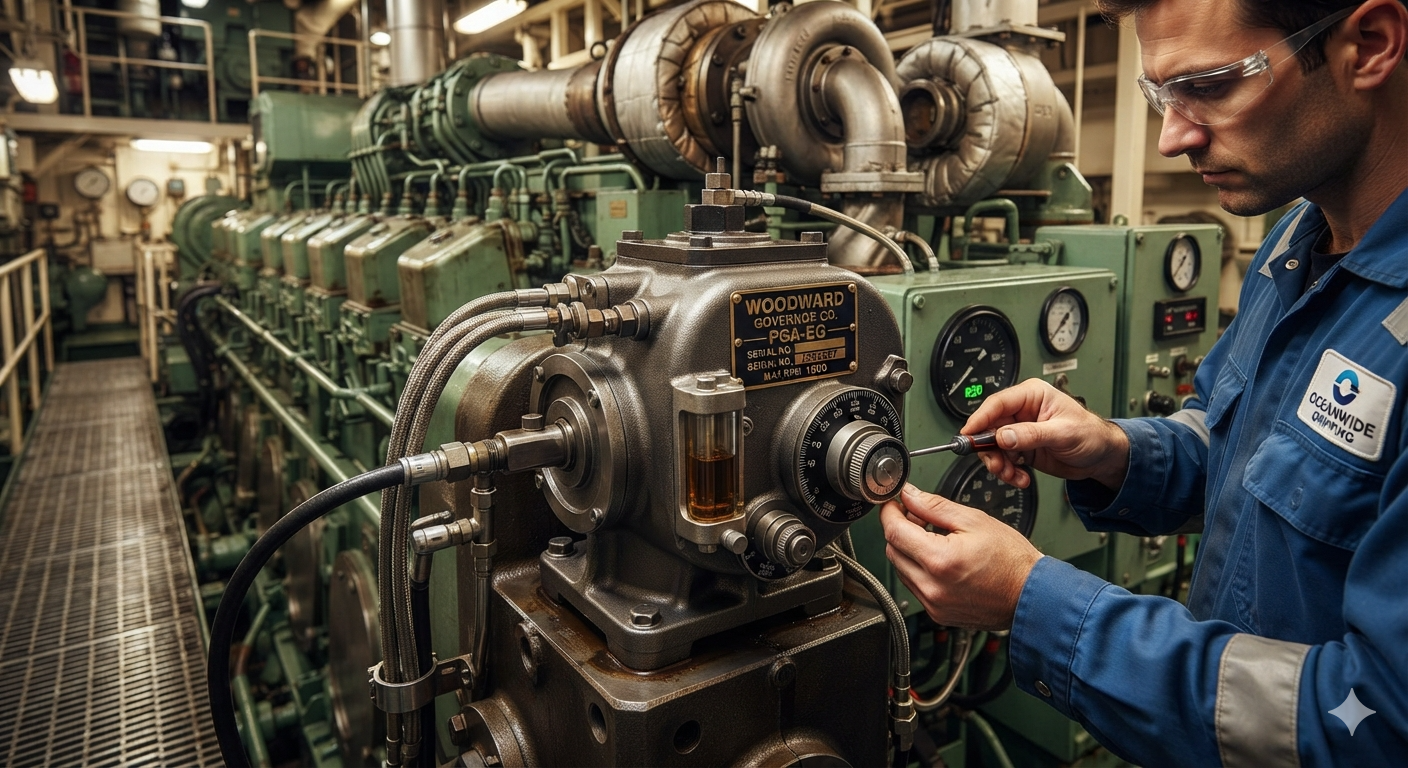
Understanding Marine Governor Systems: Types and Working Principles
What are Marine Governor Systems?
Marine governor systems are essential components in the field of marine engineering, serving as critical devices for regulating the speed and power output of marine engines. These systems are designed to automatically adjust the fuel supply to an engine, thereby controlling its rotational speed and ensuring optimal performance. By maintaining the desired speed of the engine, the marine governor plays a pivotal role in enhancing the safety and efficiency of marine operations.
The primary function of the marine governor is to ensure that engines operate within specified limits, adjusting automatically to meet varying load conditions. When the load on an engine increases, the governor responds by decreasing fuel flow to stabilize the engine’s speed. Conversely, when the load decreases, the marinization governor allows for increased fuel flow, facilitating a rise in engine speed. This dynamic response is crucial for preventing engine overload and ensuring smooth power delivery.
Marine governors can be categorized into two primary types: mechanical and electronic. Mechanical governors utilize centrifugal forces and mechanical linkages to control fuel delivery, providing a simple yet effective means of speed regulation. On the other hand, electronic governors leverage advanced sensors and control systems to offer precise and flexible management of engine performance. The choice between these systems often depends on various factors, including engine type, application requirements, and operational parameters.
The importance of marine governor systems cannot be overstated, as they directly impact the reliability and longevity of marine engines. They contribute to fuel efficiency, reduce emissions, and enhance overall operational safety. By guaranteeing that engines operate within their optimal range, marine governors not only improve performance but also mitigate the risks associated with marine operations. Overall, understanding the working principles and significance of marine governor systems is vital for marine engineers and operators alike.
Types of Marine Governor Systems
Marine governor systems are crucial components in regulating the speed and performance of various marine vessels. Broadly, these systems can be categorized into three main types: mechanical governors, electronic governors, and hydraulic governors. Each type showcases unique characteristics that cater to different operational needs.
Mechanical Governors: Mechanical governors operate on the principle of centrifugal force. As the engine speed increases, the governor weights move outward, which in turn adjusts the fuel supply to maintain a constant engine speed. These governors are renowned for their simplicity and reliability, making them an ideal choice for smaller vessels and older engines. However, mechanical governors may lack the precision seen in electronic systems and can be affected by factors such as vibration and wear over time.
Electronic Governors: In contrast, electronic governors utilize sensors and computer algorithms to regulate engine speed. They offer a high degree of accuracy and can swiftly adjust fuel delivery based on real-time engine performance data. This type of governor is often found in modern vessels equipped with advanced engine management systems. The primary advantages of electronic governors include enhanced efficiency and reduced emissions. Nonetheless, they may be more expensive and require sophisticated electronic components and maintenance.
Hydraulic Governors: Hydraulic governors combine the principles of both mechanical and electronic systems, using hydraulic fluid to control fuel flow. They provide excellent damping characteristics, making them suitable for high-speed applications or vessels experiencing significant load variations. These governors are typically employed in larger marine engines, including those found in commercial shipping and offshore vessels. However, the complexity of hydraulic systems can lead to higher maintenance demands.
In conclusion, understanding the different types of marine governor systems is essential for selecting the appropriate technology based on vessel size, application, and operational requirements. Each system has its distinct advantages and disadvantages, providing options for various maritime applications.
Working Principles of Marine Governor Systems
Marine governor systems are integral to maintaining precise control over engine speed in maritime applications. The fundamental working principle revolves around the continuous feedback mechanism that regulates engine performance based on varying load conditions. At the core of this system lies a speed sensing device, which monitors the actual engine RPM (Revolutions Per Minute) and compares it to the desired setpoint.
When the actual speed deviates from the setpoint, the marine governor intervenes to correct this discrepancy. This is facilitated through a feedback loop system, where the governor receives real-time data about the engine’s performance. Depending on the degree of variation, the governor adjusts actuators that control the fuel supply or valve openings accordingly. There are several types of marine governors, each employing slightly different mechanisms, such as mechanical or electronic systems, but all aim to achieve the same endpoint: stable engine performance.
The precision of these adjustments is crucial, especially under changing load scenarios, such as during vessel maneuvers or when facing external environmental factors. For example, if a vessel encounters rough seas, the marine governor must rapidly respond to maintain steady speed, ensuring both performance efficiency and safety. This adaptability makes marine governors essential components in marine engineering, reflecting their importance in maintaining operational reliability.
Different types of governors can also utilize various control adjustments. Mechanical governors typically use centrifugal force and spring tension, while electronic governors rely on electronic sensors and control units to execute more complex adjustments. Regardless of the type, the primary objective remains consistent: to provide stable and responsive control over the engine speed, adapting seamlessly to dynamic maritime conditions.
Importance of Marine Governor Systems in Modern Vessels
Marine governor systems play a pivotal role in enhancing the operational efficiency of contemporary vessels. These systems are designed to regulate engine speed and power output, ensuring optimal performance while minimizing fuel consumption. By providing precise control over the engine’s operating conditions, modern marine governors contribute significantly to improved fuel efficiency, which is a critical consideration given the rising costs of marine fuel and the global push for sustainability.
Moreover, the implementation of advanced marine governors also aids in emission control. As maritime regulations become increasingly stringent, the necessity for vessels to comply with emissions standards is paramount. Marine governor systems facilitate this compliance by optimizing combustion processes, leading to reduced emissions of harmful pollutants such as nitrogen oxides and particulate matter. This capability not only benefits the environment but also enhances the vessel’s reputation in an industry that is now heavily scrutinized for its ecological footprint.
Safety is another crucial aspect that underscores the importance of marine governor systems in modern maritime operations. These systems are instrumental in preventing engine overloads and ensuring stability, which is essential for the safe operation of large vessels in varying sea conditions. By maintaining consistent power output and reducing the risk of engine failures, marine governors significantly mitigate safety hazards associated with marine travel.
Looking towards the future, advancements in governor technology are expected to further revolutionize the maritime industry. Innovations such as digital governors and integration with automated control systems promise to enhance the adaptability and efficiency of marine engines. These developments will likely lead to more sophisticated applications that not only improve operational capabilities but also align with the maritime sector’s goals for enhanced sustainability, safety, and efficiency.