
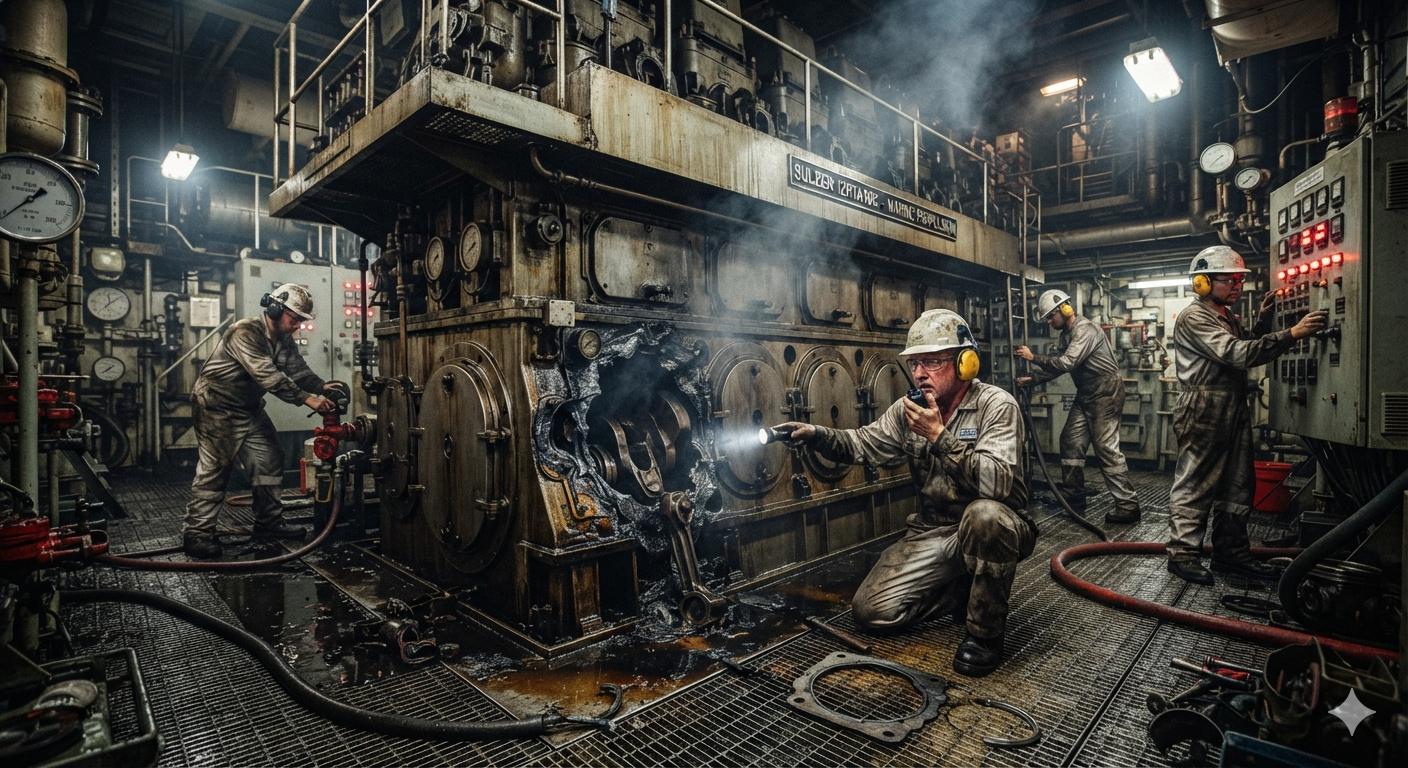
Understanding Common Marine Engine Failures and the Role of Spare Parts in Prevention
Introduction to Marine Engine Operations
Marine engines are critical components of various watercraft, ranging from small recreational boats to large commercial vessels. These engines are designed to perform optimally under challenging conditions, providing the necessary power to propel and maneuver the craft through water. An understanding of marine engine operations is essential for boat owners and operators, as it contributes to effective management and maintenance, minimizing the risk of marine engine failure.
The primary function of a marine engine is to convert fuel into mechanical energy, allowing the boat to move. This process involves several systems, including fuel supply, combustion, and exhaust management. Given the unique environmental conditions that marine engines operate within, such as saltwater exposure and variable temperatures, they are particularly susceptible to wear and tear. Consequently, regular maintenance and vigilance regarding operating conditions are crucial in preventing issues that could result in marine engine failure.
Common operating parameters such as load, temperature, and humidity significantly influence the performance and longevity of a marine engine. Factors like excessive load during high-speed operations or prolonged idling can lead to overheating or carbon buildup, thereby increasing the likelihood of mechanical failures. Moreover, routine inspections play an essential role in identifying early signs of issues, such as unusual noises or leaks, which can signal impending failures that require immediate attention.
Enhancing one’s understanding of how marine engines function, coupled with awareness of the potential operating challenges, is vital. By recognizing the indicators of wear and the environmental factors at play, boat operators can safeguard their vessels from the adverse consequences of marine engine failures. This foundation lays the groundwork for further exploration into preventative measures, including the critical role spare parts play in maintaining engine health.
Common Types of Marine Engine Failures
Marine engines are vital components of any watercraft, ensuring that vessels operate safely and efficiently. However, they are susceptible to a variety of failures. Understanding these common types of marine engine failures can help operators take preventive measures and ensure that their vessels are maintained adequately.
One prevalent issue is overheating. This condition typically arises from a failure in the cooling system, often due to a blocked seawater intake, a malfunctioning thermostat, or a failing water pump. Symptoms can include a significant rise in engine temperature, which might lead to catastrophic damage if not addressed promptly. If overheating continues unchecked, it can cause engine parts to warp, resulting in expensive repairs.
Another frequent problem is related to the fuel system. Fuel contamination, clogged filters, and malfunctioning injectors can cause engine performance to decline, manifesting as poor acceleration, stalling, or even total shutdown. Maintaining fuel quality and ensuring the fuel system is free from debris are crucial practices for preventing these failures.
Electrical system failures can also be detrimental to marine engines. These issues may stem from faulty wiring, corroded connections, or issues with the battery or alternator. Symptoms often include difficulties starting the engine or intermittent power loss during operation, which can jeopardize both safety and performance.
Lastly, mechanical breakdowns such as gear failure or bearing issues can result from prolonged wear and tear or lack of lubrication. Regular inspections and maintenance can mitigate the risk of such breakdowns, ensuring an engine runs smoothly and reliably. Each type of marine engine failure presents its set of challenges, underscoring the importance of proactive maintenance and timely intervention to prevent extensive damage and ensure safe operation.
The Importance of Spare Parts in Preventative Maintenance
Preventative maintenance is critical for ensuring the longevity and reliable operation of marine engines. A key aspect of this maintenance involves having access to quality spare parts, which play a significant role in minimizing the risk of marine engine failure. When marine engines operate under adverse conditions, they experience significant stress, which can lead to wear and tear of various components. High-quality spare parts can mitigate these risks and enhance performance.
Among the essential spare parts for marine engines are filters, gaskets, pumps, and injectors. Filters remove impurities from fuel and lubricants, preventing damage to sensitive engine components. Gaskets ensure a tight seal, which is crucial for maintaining engine pressure and preventing leaks. Pumps and injectors are vital for fuel delivery and ensuring the proper combustion process. Without properly functioning parts, even the most reliable marine engine may suffer from issues that can result in severe operational disruptions.
When selecting spare parts, it is important to consider quality and compatibility. Original Equipment Manufacturer (OEM) parts are typically recommended, as they are designed specifically for the engine model, ensuring optimal performance and reliability. However, there are also reputable aftermarket alternatives that can provide a cost-effective solution without sacrificing quality. Careful inspection of the parts, reading manufacturer guidelines, and considering user reviews can aid in making informed choices.
Furthermore, maintaining an inventory of essential spare parts can prevent costly delays in operations. Regularly assessing the condition of the available spare parts is also advisable. By proactively replacing worn components, the likelihood of marine engine failure significantly decreases, thereby improving overall operational efficiency.
Best Practices for Avoiding Engine Failures
To mitigate the risk of marine engine failure, it is critical for marine operators to adopt best practices that encompass routine maintenance, regular inspections, and comprehensive crew training. Implementing a systematic maintenance schedule can significantly contribute to early detection of potential issues within the engine. This process should include regular oil changes, filter replacements, and coolant checks, all of which are essential in maintaining optimal engine performance. Following the manufacturer’s guidelines for maintenance intervals and procedures can help ensure that the engine operates within designated parameters, reducing the likelihood of unexpected failures.
In addition to routine maintenance, conducting frequent inspections of the marine engine and its components is vital. This includes checking for signs of wear and tear, fluid leaks, and unusual noises that may indicate underlying problems. Regular inspections not only allow for the identification of minor issues before they escalate into major repairs but also contribute to overall operational efficiency. A thorough checklist should be developed and adhered to, encompassing all parts of the engine, including fuel systems, electrical systems, and mechanical components.
Moreover, investing in crew training cannot be overstated. Ensuring that crew members are well-versed in proper engine management and emergency procedures is essential for minimizing human error, which is a common cause of marine engine failure. Training programs should cover topics such as engine operational parameters, troubleshooting common issues, and effective communication during emergencies. Equipped with this knowledge, crew members can act swiftly in a crisis, reducing the risk of severe damage to the engine.
Finally, the role of spare parts cannot be overlooked. Having a network of reliable suppliers and readily available spare parts facilitates prompt repairs when issues arise, thus preventing prolonged downtimes and enhancing operational reliability. In conclusion, by adhering to these best practices, marine operators can significantly lower the risk of engine failures, ensuring the longevity and performance of their vessels.