
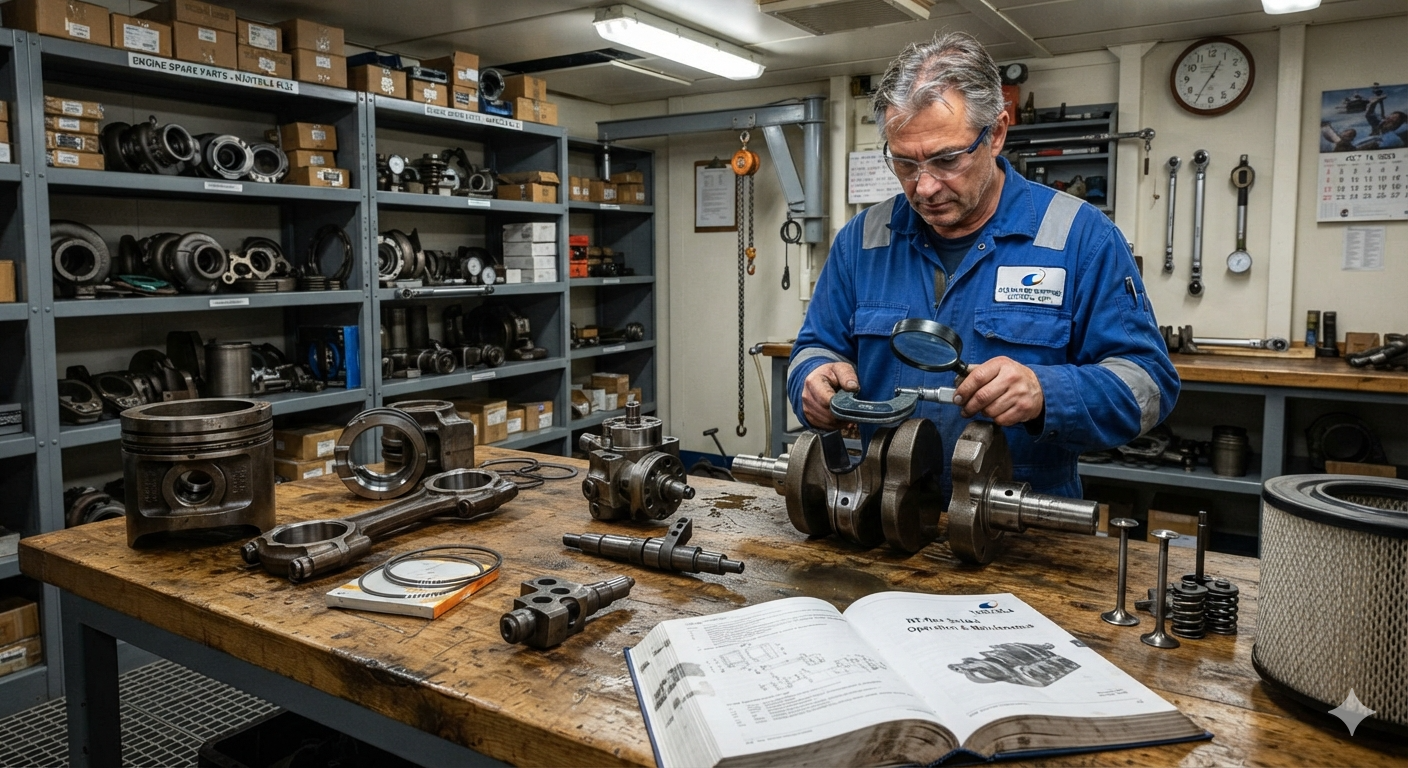
15 Most Frequently Replaced Marine Engine Components
Introduction to Marine Engine Components
Marine engines are pivotal in facilitating maritime operations, powering vessels that transport goods, provide recreational activities, or support marine research. These engines are designed to withstand harsh environmental conditions while delivering the efficiency needed for various applications. The intricate design of marine engines incorporates a myriad of components that work in unison to ensure optimal performance.
Among the essential marine engine components are fuel systems, cooling systems, exhaust systems, and lubricating systems. Each component plays a distinctive role, contributing to the overall functionality and reliability of the marine engine. For instance, the fuel system ensures a consistent flow of fuel, while the cooling system maintains the engine’s temperature within safe limits. Additionally, the exhaust system effectively manages emissions, and the lubricating system minimizes friction, enhancing performance and longevity.
The importance of regular maintenance of these components cannot be overstated. Given the stressful conditions under which marine engines operate, components often experience wear and tear, necessitating timely replacements to prevent failures and ensure continuous operation. Environmental factors, such as saltwater exposure and fluctuating temperatures, also contribute to the degradation of marine engine components. Failure to address these issues can lead to decreased performance, increased fuel consumption, and ultimately more costly repairs.
Understanding the various marine engine components and their significance in the operation of a vessel sets the foundation for recognizing which parts require regular attention. This knowledge is vital not only for maintaining efficiency but also for extending the lifespan of the engine itself, maximizing the investment made in marine technology.
Top 15 Frequently Replaced Components
Marine engines, like any other machinery, require regular maintenance, often involving the replacement of specific components to ensure optimum performance. Below are the top fifteen marine engine components that are frequently replaced, along with their functions, reasons for replacement, and signs indicating the need for changes.
1. Engine Oil Filters: These filters are vital for keeping the engine oil clean by removing contaminants and debris. Frequent replacement is essential to prevent engine wear and ensure proper lubrication. Signs of a failing filter may include decreased oil pressure or dirty oil.
2. Fuel Pumps: Fuel pumps maintain the flow of diesel or gasoline to the engine. Decreased fuel pressure or unusual noises can indicate that a pump is failing. Regular checks can prevent performance issues.
3. Gaskets: Gaskets create seals between components, preventing oil and coolant leaks. Age and exposure to heat can deteriorate gaskets, leading to noticeable leaks and overheating engine issues, necessitating timely replacement.
4. Water Pumps: These components circulate coolant through the engine, regulating temperature. Over time, water pumps can fail, leading to overheating. Signs include unusual noises or coolant leaks.
5. Belts and Hoses: Timing belts and hoses are critical for engine function and fluid transport. Cracks, fraying, or swelling are signs these components may need replacement to avoid severe engine damage.
6. Diesel Injectors: Efficient fuel delivery relies on properly functioning diesel injectors. Clogged or malfunctioning injectors can cause reduced performance or increased fuel consumption.
7. Thermostats: Responsible for regulating engine temperature, a failing thermostat can lead to overheating. Symptoms include fluctuating temperature gauges and coolant leaks.
8. Oil Pumps: These pumps are essential for circulating oil throughout the engine. Failure can result in insufficient lubrication, leading to engine damage. Signs include low oil pressure warnings.
9. Alternators: Alternators charge the boat’s battery while the engine runs. If electrical components begin to fail, it might indicate an alternator issue, warranting a replacement.
10. Plugs and Wires: Spark plugs ignite the fuel-air mixture for combustion. Faulty plugs can cause misfire or poor engine performance. Signs include difficulty starting or rough idling.
11. Ignition Coils: These coils supply the necessary voltage for spark plugs. Symptoms of a failing coil can include poor acceleration and reduced engine power.
12. Filters: Beyond oil filters, fuel and air filters also require regular replacement. Clogged filters can hinder the engine’s efficiency, recognizable through performance drop-off.
13. Fuel Lines: These lines transport fuel from the tank to the engine. Cracks or corrosion can lead to leaks, manifesting as a fuel smell or pooling underneath the engine.
14. Exhaust Systems: Key in reducing emissions, a deteriorating exhaust system can cause engine noise and efficiency problems. Look for rust or holes as signs of damage.
15. Engine Mounts: These parts secure the engine and absorb vibrations. Worn mounts can lead to increased vibrations or engine misalignment, suggesting the need for replacement.
Each of these marine engine components plays a crucial role in the overall function and safety of the engine. Regular maintenance, including the timely replacement of these parts, is essential for optimal engine operation and longevity.
Signs Indicating Component Failure
Recognizing the signs of failing marine engine components is crucial for maintaining engine performance and safety. Various indications can signal that components such as the engine block, pistons, or fuel injectors may require inspection or replacement. One common sign of trouble is unusual noises emanating from the engine. These sounds may include knocking, hissing, or excessive vibrations, all of which could indicate that specific parts are wearing out or malfunctioning.
Another indicator of potential component failure is a noticeable decrease in engine performance. This might manifest as a drop in acceleration, reduced top speed, or difficulty maintaining RPMs. These changes could point to issues with critical marine engine components, such as the throttle body or fuel pump. Regular monitoring of engine speed and response is advisable, as any irregularities could mean it is time for a more thorough inspection.
Additionally, warning lights on the dashboard should not be overlooked. Modern marine engines are equipped with diagnostic systems that alert the operator to potential problems. Illuminated lights can indicate issues ranging from low oil pressure to overheating. Addressing these alerts promptly can prevent minor issues from escalating into more severe failures involving major marine engine components.
Overheating is another common sign that your engine may be facing distress, which could be attributed to malfunctions in the cooling system—the water pump or thermostat also falls into the category of marine engine components that may fail. Similarly, any visible leaks around the engine or beneath the boat may suggest that seals or gaskets are compromised and need to be replaced.
In essence, being vigilant about these warning signs is vital for ensuring the longevity and reliability of a marine engine.
Best Practices for Maintenance and Replacement
Maintaining the longevity and efficiency of marine engine components is essential for optimal performance and safety. One of the best practices is to conduct regular inspections of all key components, including pumps, filters, and gaskets. A systematic inspection schedule will help identify signs of wear and potential issues before they can lead to more severe failures.
Scheduled maintenance procedures should be strictly followed based on the manufacturer’s recommendations. This often includes changing oil and filters at regular intervals, flushing the cooling system, and checking the condition of belts and hoses. Such proactive measures significantly reduce the likelihood of sudden breakdowns and extend the lifespan of marine engine components.
When it comes to replacement, it is advisable to follow a meticulous approach. High-quality parts should be prioritized over cheaper alternatives, as the durability and reliability of marine engine components can vary dramatically. Investing in OEM (Original Equipment Manufacturer) parts often ensures a better fit and function, essential for maintaining engine integrity and performance.
For complex repairs or replacements, seeking professional assistance is prudent. Skilled marine technicians possess the expertise and tools necessary to perform intricate procedures accurately. They also adhere to safety regulations, which are critical in a marine environment. In many cases, utilizing professionals can save time and prevent errors that might not be immediately visible but could lead to extensive issues later on.
In conclusion, by implementing routine inspections, following scheduled maintenance, and ensuring the use of high-quality parts, the performance and reliability of marine engine components can be significantly enhanced. Such practices not only improve efficiency but also contribute to the overall safety and smooth operation of marine vessels.