
Essential Spare Parts Every Vessel Should Keep Onboard
Introduction to Spare Parts on Vessels
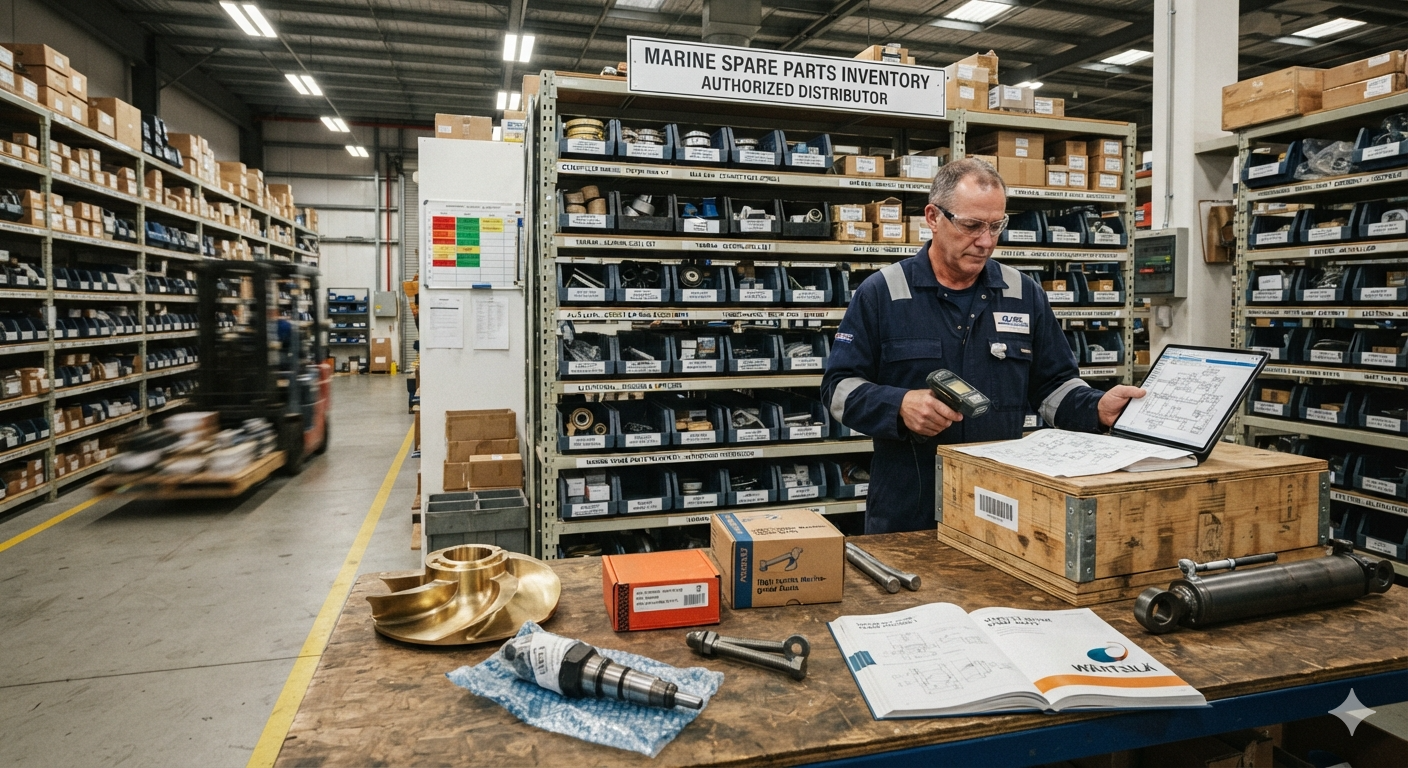
In the maritime industry, the reliability and operational longevity of a vessel are paramount. An often-overlooked aspect of maintaining this reliability is the availability of essential marine spare parts inventory onboard. These parts are critical in ensuring that vessels can swiftly address any unexpected mechanical failures that may occur during voyages. Whether due to wear and tear, environmental conditions, or unforeseen circumstances, the need for spare parts cannot be overstated.
Unexpected breakdowns at sea can significantly jeopardize not just the vessel’s performance but also the safety of the crew and cargo. The risks associated with a lack of preparedness can lead to costly delays, environmental hazards, and even potential loss of life. To mitigate these risks, it is crucial for vessel operators to maintain an efficiently organized marine spare parts inventory. Essential spare parts should include items such as filters, pumps, and gaskets among others, as they are commonly required for routine maintenance and emergency repairs.
Furthermore, effective maintenance planning plays a vital role in ensuring that vessels remain operational and competitive in challenging maritime environments. By conducting regular assessments of the spare parts inventory, ship operators can pinpoint which items are frequently used and should therefore be readily available. This proactive approach not only saves time but also helps in minimizing the chances of encountering severe operational disruptions.
Ultimately, ensuring a well-stocked and organized marine spare parts inventory onboard is an integral part of maritime safety and efficiency. This preparedness allows vessel operators to respond promptly to any mechanical issues that may arise, safeguard the crew and cargo, and maintain uninterrupted operations in a demanding industry.
Critical Spare Parts for Engine and Machinery
Maintaining the functionality and efficiency of a vessel heavily relies on ensuring that crucial marine spare parts inventory is readily available onboard, particularly those related to the engine and machinery. The engine, being the heart of the vessel, requires specific components to operate at optimal levels. Among the most critical spare parts are filters, gaskets, belts, and pumps.
Filters play an integral role in safeguarding the engine from contaminants that could cause significant damage. Fuel and oil filters, in particular, require regular inspection and replacement to maintain the engine’s performance. Gaskets, on the other hand, are essential for preventing leaks in various engine parts. The integrity of these seals is vital for ensuring that fluids remain contained, therefore supporting overall operational efficiency.
Belts, especially timing belts and V-belts, are necessary for synchronizing engine components and transferring power efficiently. A worn or damaged belt can lead to severe malfunctions, making it imperative to have replacements stored in the marine spare parts inventory. Additionally, pumps, including water pumps and fuel pumps, are crucial for circulating fluids within the engine and ensuring that various systems maintain proper function.
To manage these spare parts effectively, vessel operators should adopt best practices for inventory management. This includes regular assessments of existing stock levels, forecasting potential needs based on operating conditions, and collaborating with suppliers to ensure timely availability of essential components. Implementing a comprehensive tracking system can also enhance the organization of spare parts, allowing for quick access in times of urgency.
Investing in the right marine spare parts inventory not only boosts the reliability of a vessel but also enhances performance, reducing the risk of unexpected breakdowns during voyages.
Safety Equipment and Spare Parts
Ensuring the safety of all personnel aboard a vessel is paramount, and having the right safety equipment and spare parts readily available is critical. Among the essential items to maintain in a marine spare parts inventory are life rafts, fire extinguishers, and emergency communication devices. These items not only serve to protect the crew and passengers but are often mandated by maritime safety regulations.
Life rafts are indispensable in emergencies, providing a means of safe evacuation when the vessel encounters severe distress. It is crucial to ensure that these rafts are maintained in good condition, regularly inspected, and stowed in easily accessible locations. Additionally, vessels must comply with specific regulations regarding the number of life rafts required, which depend on the capacity of the vessel and the waters in which it operates.
Fire extinguishers are another critical component of a vessel’s safety inventory. Innovations in fire suppression technology have led to various types of extinguishers suitable for marine environments, including foam, dry chemical, and CO2 extinguishers. It is essential to maintain a sufficient supply of these devices at easily accessible locations throughout the vessel while ensuring they are serviced regularly to comply with marine regulations.
Moreover, emergency communication devices, such as VHF radios, EPIRBs (Emergency Position Indicating Radio Beacons), and satellite phones, are vital for maintaining contact with rescue services during an emergency. Having spare parts for these communication devices can directly impact their functionality; hence, a well-organized marine spare parts inventory should include necessary components to ensure seamless communication in critical situations.
In summary, the combination of life rafts, fire extinguishers, and emergency communication devices represents a foundational aspect of maritime safety. Regulatory compliance ensures that vessels are equipped with the necessary safety equipment, and proactive maintenance of these items can significantly enhance the safety and preparedness of the crew and passengers aboard.
Tools and Maintenance Supplies
Every vessel, regardless of its size or type, should maintain an adequate marine spare parts inventory that includes essential tools and maintenance supplies. Having the right equipment is crucial for effective upkeep and ensuring operational efficiency. Among the most indispensable tools are wrenches and screwdrivers, which are used for fastening and adjusting various components on board. These basic yet vital tools should be well-maintained and readily accessible.
In addition to hand tools, it is beneficial to have diagnostic equipment available. Devices such as multimeters and circuit testers allow for quick assessments of electrical systems, enabling crews to identify and rectify faults before they escalate into more significant issues. Furthermore, routine checks can often reveal wear and tear that could compromise the safety and performance of the vessel.
Regular maintenance is an integral aspect of boat ownership, and it is essential to keep an assortment of maintenance supplies on hand. High-quality lubricants are necessary for ensuring that moving parts operate smoothly, thereby reducing friction and preventing premature wear. Moreover, cleaning products should not be overlooked; they play a substantial role in maintaining both the aesthetic and functional aspects of the vessel, ensuring that surfaces and equipment are free from corrosion and buildup.
By stocking the necessary tools and maintenance supplies as part of the marine spare parts inventory, vessel operators can address issues promptly, minimize downtime, and enhance the overall longevity and performance of the craft. Additionally, developing a routine maintenance schedule can help in the regular assessment of these supplies, ensuring that the inventory remains complete and relevant to the vessel’s needs.