
Marine Engine Overhaul: Complete Checklist Before Dry Dock
Understanding Marine Engine Overhaul
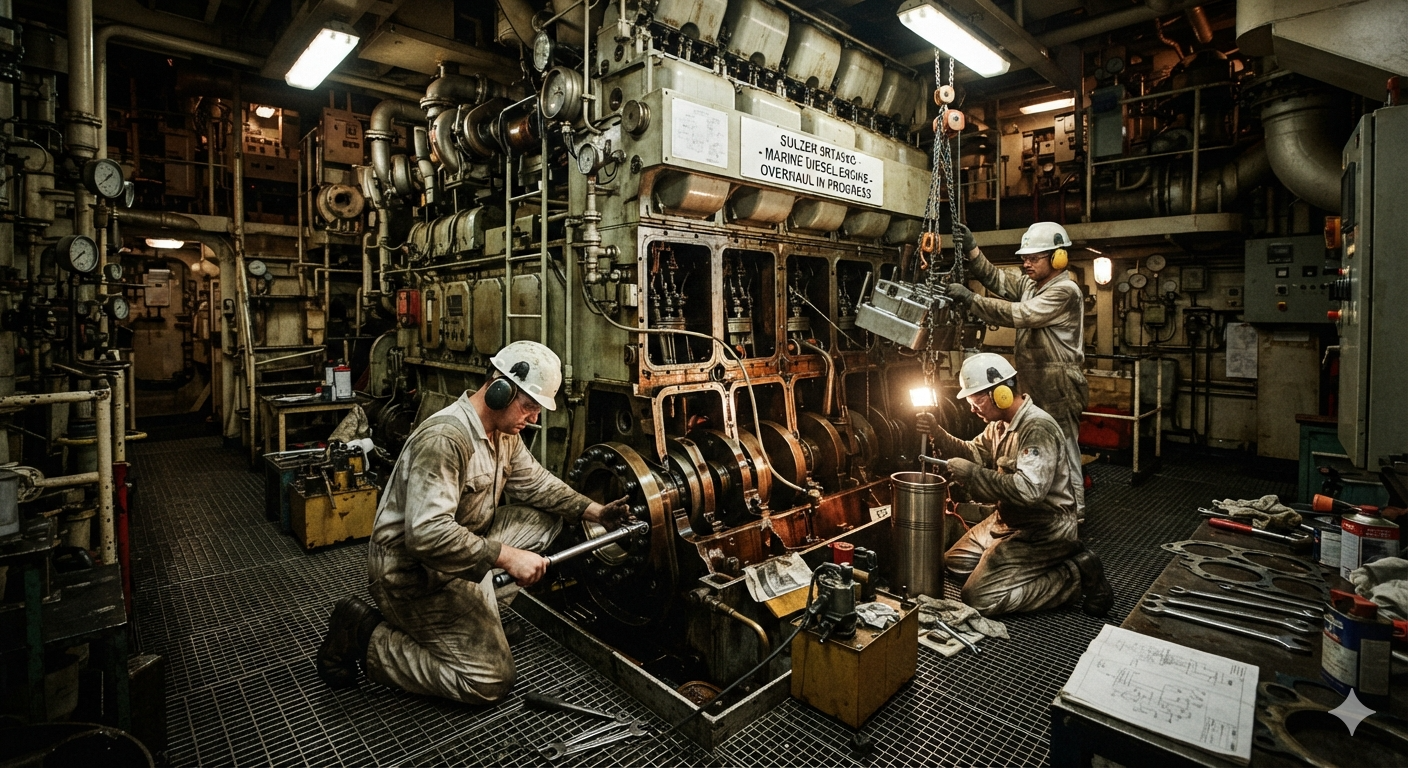
A marine engine overhaul is a critical maintenance process that involves the comprehensive disassembly, inspection, repair, and reassembly of a marine engine. This procedure is essential not only for restoring the engine to its optimal operating condition but also for extending its operational lifespan. Regular overhauls help in identifying component wear, degradation, and any potential issues that may lead to engine failure if left unaddressed.
Factors that necessitate a marine engine overhaul include signs of reduced performance, such as decreased power output, increased fuel consumption, and unusual noises during operation. Additionally, the age and service history of the engine play a significant role; older engines often exhibit wear and tear that can impair efficiency. Regular service routines help monitor engine condition, allowing operators to make informed decisions about when an overhaul is required.
Furthermore, conducting an overhaul before dry dock procedures can offer several advantages. It allows for the identification and rectification of any underlying issues, thereby preventing catastrophic failures and costly repairs in the future. In terms of costs, while a marine engine overhaul can be an investment, it can save significant expenses that would arise from prolonged operation with an underperforming engine. With a properly overhauled engine, vessels often experience improved fuel efficiency and reliability, ultimately enhancing overall operational performance.
In evaluating the need for a marine engine overhaul, it is crucial to weigh the benefits against the costs involved. Investing in regular maintenance and timely overhauls can lead to substantial long-term savings and improved vessel performance. Each decision regarding engine maintenance should be informed by a thorough understanding of the engine’s current condition and performance metrics.
Preparation Steps Before Dry Docking
Prior to proceeding with a marine engine overhaul, it is essential to undertake critical preparation steps that ensure a seamless transition into the dry dock phase. The first step involves conducting thorough inspections of the vessel’s engine and related systems. This includes evaluating the current condition of the engine, checking for leaks, and confirming that all components are functioning as expected. Such inspections can help identify potential issues beforehand, which can otherwise lead to delays once in dry dock.
Next, proper documentation must be organized. This includes gathering all necessary paperwork related to the vessel, such as maintenance records, compliance certifications, and previous survey reports. These documents not only facilitate the overhaul process but also ensure compliance with maritime regulations during the engine overhaul.
Acquiring spare parts is another crucial step in the preparation phase. It is important to compile a comprehensive list of parts required for the marine engine overhaul, focusing on critical components that may need replacement. Suppliers should be contacted well in advance to minimize any unpredicted delays during the overhaul process. Engaging with vendors who can provide high-quality and compatible parts will also enhance the efficiency of the overhaul.
In addition to spare parts, ensuring that tools and equipment are available and in good working order is pivotal. This includes specialized tools required for engine disassembly, maintenance, and reassembly. Conducting a tool inventory and preparing the necessary equipment ahead of time is strongly advised.
Creating a structured timeline for the overhaul process assists in organizing the various stages of work while defining deadlines for each task. Moreover, delegating responsibilities to skilled personnel ensures that every aspect of the overhaul is managed effectively. By following these preparation steps carefully, the transition into dry dock for a marine engine overhaul can be executed smoothly, reducing the risk of unforeseen complications.
Critical Components to Inspect During Overhaul
Conducting a thorough marine engine overhaul requires meticulous attention to various critical components of the engine, ensuring optimal functionality and longevity. Key areas to inspect include the engine block, turbochargers, coolant and lubrication systems, fuel injectors, and electrical systems. Each of these components plays a vital role in the overall performance of the marine engine.
The engine block serves as the heart of the marine engine, and thorough inspections should focus on identifying cracks, corrosion, or warping. The integrity of the engine block is paramount, as any compromised areas can lead to significant performance issues or catastrophic failure. It is essential to perform tests like ultrasonic examination or dye penetrant inspections to detect internal issues.
Turbochargers require special attention during the overhaul process. Technicians should check for signs of wear or damage, such as bearing wear, and assess the turbocharger’s boost performance. Reconditioning or replacement may be necessary if performance degradation is noted.
The coolant and lubrication systems are crucial for maintaining optimal engine temperature and reducing friction. Inspecting hoses, seals, and pumps for leaks or blockages is imperative. Ensuring that these systems are not only functioning but also free from contaminants can prevent overheating and excessive wear during operation.
Fuel injectors play a vital role in the combustion process, thus their inspection should involve testing for proper spray patterns and flow rates. Any signs of clogging or malfunction should be assessed, as compromised injectors can affect engine efficiency and emissions.
Finally, the electrical systems require checks of wiring, connectors, and battery health. Faulty electrical components can lead to poor engine performance or failure to start. Diagnosing issues in these systems should be a priority, as dependable electrical operation is essential for the proper functioning of the marine engine.
Post-Overhaul Procedures and Best Practices
After completing a marine engine overhaul, it is crucial to implement specific procedures to ensure optimal performance and longevity of the engine. One of the primary steps is testing the engine performance. This involves assessing various parameters such as fuel efficiency, power output, and operational smoothness. Monitoring these metrics not only helps in determining the success of the overhaul but also identifies any potential issues that may arise post-service.
Conducting sea trials is another vital process following a marine engine overhaul. These exercises allow operators to evaluate the engine’s performance in real-world conditions, testing its responsiveness under various loads and speeds. During the sea trial, it is recommended to observe engine temperatures, vibrations, and any unusual noises. This hands-on evaluation ensures that the engine operates as intended and meets the expected standards of efficiency.
Moreover, maintaining detailed logs of the overhaul work is essential. Documentation should include the parts replaced, services performed, and any observations during testing phases. Such records not only provide valuable insights for future reference but also assist in tracking the engine’s performance trends over time. This meticulous approach further supports ongoing maintenance efforts.
Establishing a routine maintenance schedule is equally important in preserving the integrity of the marine engine post-overhaul. Regular inspections and servicing can pinpoint wear-and-tear issues before they lead to more significant problems. It is also advisable to stay updated on best practices in engine care, utilizing tools and techniques that align with current industry standards.
Overall, integrating these post-overhaul procedures and best practices will significantly enhance the reliability and efficiency of the marine engine, ensuring it performs well throughout its operational life.