
Marine Generator Spare Parts: A Complete Buying Guide
Understanding Marine Generators
Marine generators play a crucial role in powering various onboard systems and equipment in boats and yachts. Unlike standard generators commonly used in residential or industrial settings, marine generators are specifically designed to withstand the unique challenges posed by marine environments such as saltwater, humidity, and the rigors of motion. They are essential for providing electricity for navigation systems, lighting, heating, and other vital operations while at sea.
There are several types of marine generators available, each tailored to meet different power needs and efficiency levels. The most common types include diesel, gasoline, and hybrid generators. Diesel marine generators are often favored for their fuel efficiency and reliability, making them ideal for long voyages. Gasoline generators are typically lightweight and can be a good choice for smaller vessels. On the other hand, hybrid models combine both diesel and electric power, offering an environmentally friendly alternative that reduces fuel consumption and emissions.
When selecting a marine generator, it is essential to consider the power output required for the vessel’s specific needs. This can vary significantly depending on the size of the boat and the equipment being powered. Marine generators are built with the capacity to provide constant power, which differs from standard generators that may struggle with load fluctuations. Furthermore, these generators are engineered for optimal efficiency, ensuring that they use fuel resources wisely while delivering the necessary electrical output.
Understanding the types and specifications of marine generators is vital, as it underscores the importance of having quality marine generator spare parts on hand. Ensuring that the various components are functioning correctly not only enhances performance but also prolongs the generator’s operational life, reducing the likelihood of unexpected failures at sea.
Common Spare Parts for Marine Generators
Marine generators, essential for various maritime operations, rely on a range of spare parts to function effectively. Understanding common spare parts is crucial for maintaining optimal performance and extending the lifespan of these generators. Notable spare parts include fuel filters, oil filters, belts, and starter motors, each serving a vital role.
Fuel filters are one of the key components; they ensure that impurities and contaminants are filtered out from the fuel before it reaches the engine. A clogged fuel filter can lead to inefficient combustion, power loss, and, ultimately, engine failure. Regular replacement of fuel filters can prevent these issues, ensuring the marine generator runs smoothly.
Oil filters perform a similar function for the lubricating oil. They remove contaminants and particles that are produced during engine operation. A faulty oil filter may allow debris to circulate within the engine, leading to wear and tear, decreased performance, and potential engine damage. Therefore, timely replacement of oil filters is crucial for maintaining overall engine health.
Belt maintenance is equally important; belts drive various components, including water pumps and alternators. A worn or broken belt can result in a generator shutting down or overheating. Regular inspections can identify wear and tear, allowing for early replacement and ensuring continuous operation.
Lastly, starter motors are vital for initiating the generator’s operation. If the starter motor fails, the generator may not start, causing delays and potential financial losses. Ensuring the starter motor is in good condition is essential for reliable generator performance.
In conclusion, maintaining these common marine generator spare parts is crucial for ensuring the longevity and effectiveness of marine generators. Regular inspections and timely replacements can save significant costs in repairs and downtime, securing uninterrupted service during critical maritime operations.
How to Choose Quality Spare Parts
Selecting high-quality marine generator spare parts is crucial for maintaining the performance and reliability of your marine generator. One of the first steps in this process is to identify reputable manufacturers. Established companies with a good track record usually offer better parts due to their experience and the quality of their products. Conducting thorough research on the manufacturer’s history, customer feedback, and industry reputation can be helpful in making an informed decision.
Another significant aspect to consider is the choice between OEM (Original Equipment Manufacturer) parts and aftermarket parts. OEM parts are made by the original manufacturer and often provide the best fit and performance, ensuring compatibility with your marine generator. While aftermarket parts can sometimes offer cost savings, they may not always meet the same standards or quality as OEM parts. It is important to weigh the benefits and drawbacks of each option before finalizing your purchase.
When evaluating spare parts, reading specifications and compatibility information is essential. Ensure that the parts you are considering are specifically designed for your marine generator model. This can help prevent issues that may arise from incorrect fittings or unsuitable specifications, which can lead to extra costs or downtime. Additionally, reviewing warranty and guarantee options provided by suppliers can safeguard your investment. Reputable sellers often offer warranties that cover defects and ensure that the spare parts will perform as expected. In many cases, this can provide peace of mind and can protect against unforeseen expenses associated with faulty parts.
Maintenance Tips and Best Practices
Proper maintenance of marine generators is crucial for ensuring optimal performance and longevity of the equipment and its associated marine generator spare parts. Regular maintenance not only minimizes the risk of breakdowns but also extends the life of these critical components. Here are some essential maintenance tips and best practices to consider.
First and foremost, conducting routine checks on the generator is vital. This includes inspecting the oil levels, coolant, and fuel quality. Ensuring that the engine oil is clean and at the appropriate level helps in maintaining the lubrication system, which is integral for performance. Check and replace the fuel filters regularly to prevent clogging that can lead to inefficient operations and potential damage to the engine.
In addition, the importance of regular servicing cannot be overstated. It is advisable to establish a service schedule based on the manufacturer’s recommendations or the operating hours of the generator. Engaging a professional technician for comprehensive tune-ups will identify any potential issues before they escalate. This preventative approach greatly reduces the likelihood of needing frequent replacements of spare parts.
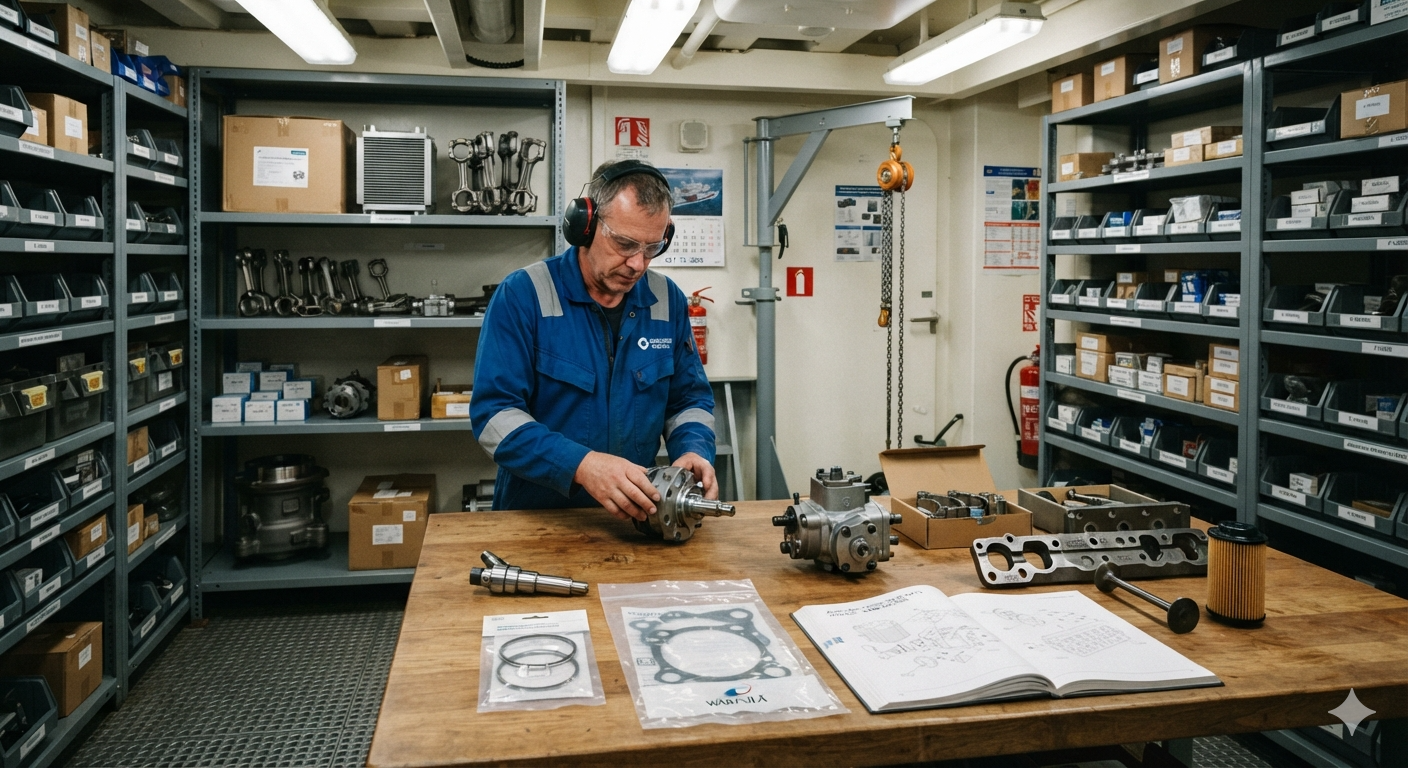
When storing marine generator spare parts, it is essential to keep them in a clean, dry environment to avoid corrosion and damage. Using silica gel packs or dehumidifiers can help maintain low humidity levels. Clearly labeling and organizing these parts can ease future repairs and replacements, facilitating quicker response times during maintenance needs.
In summary, following these maintenance tips can significantly impact the overall health of your marine generator. By adhering to routine checks, scheduling regular servicing, and properly storing spare parts, you not only enhance the efficiency of your generator but also prolong the life of its components. An effective maintenance strategy reduces the need for replacements and ensures reliability during critical operations.