
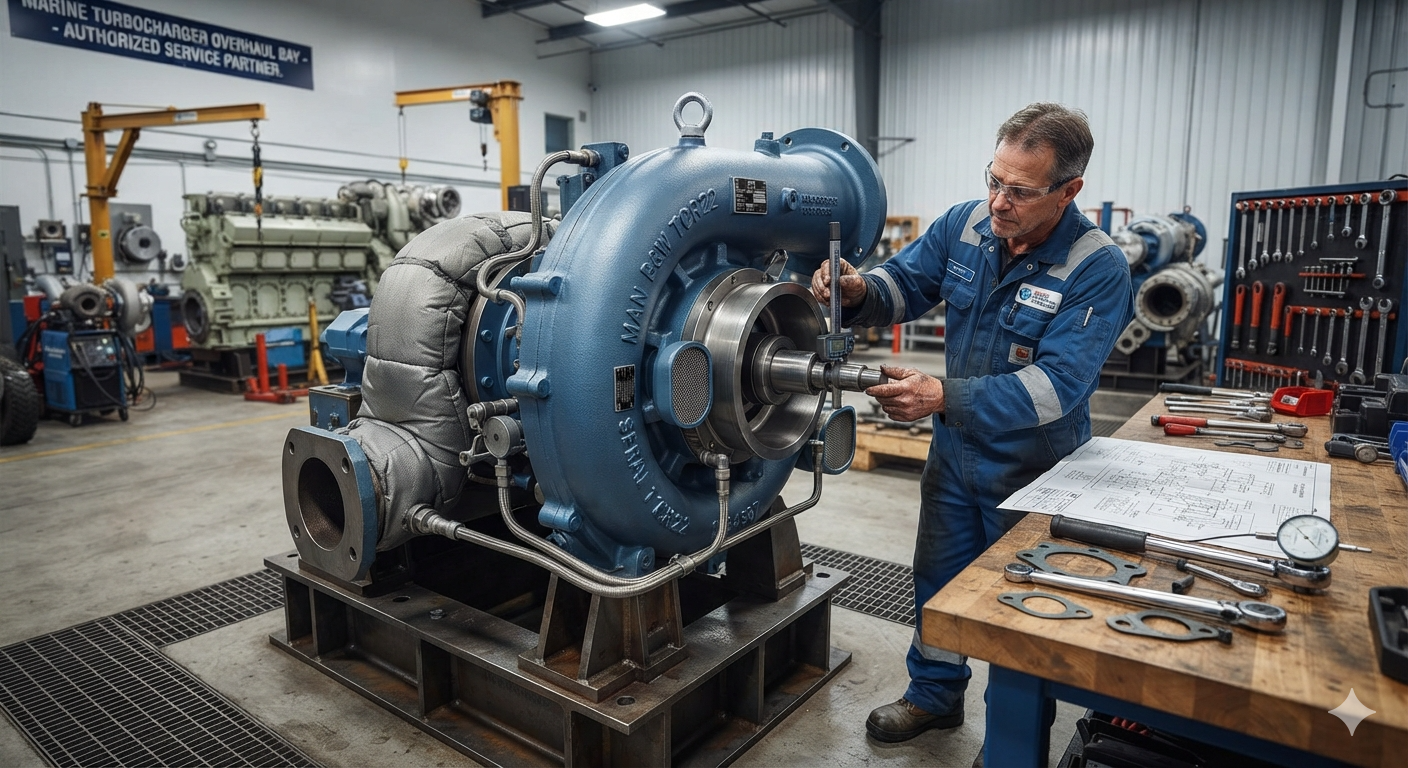
Marine Turbocharger Maintenance Guide for Maximum Performance
Understanding Turbocharger Functionality and Importance
Marine turbochargers are integral components in many marine engines, playing a pivotal role in improving their overall performance and efficiency. A turbocharger operates by utilizing the engine’s exhaust gases to spin a turbine connected to a compressor. The compressor draws in ambient air and compresses it before sending it into the engine’s cylinders. This process not only enhances the amount of air available for combustion but also increases the engine’s power output without significantly raising its size. The increased air supply allows for a more fuel-efficient combustion process, which is particularly beneficial in marine applications where efficiency is paramount.
Key components of a marine turbocharger include the turbine, compressor, and the various housings and bearings that support these parts. Each component must function optimally to ensure that the turbocharger delivers enhanced power effectively. The maintenance of these components is crucial; a failure in any part can lead to a significant decline in engine performance and efficiency.
The benefits of maintaining a marine turbocharger extend beyond mere performance enhancements. Regular upkeep can lead to improved fuel efficiency, resulting in reduced operational costs and lower emissions—an increasingly important consideration in today’s environmentally conscious world. Moreover, a well-maintained turbocharger can prolong the life of the engine, minimizing the risk of costly repairs and downtime due to failures. Regular inspections and care not only keep the turbocharger functioning as intended but also contribute to the overall longevity of the marine vessel.
In conclusion, understanding the functionality and importance of marine turbochargers significantly contributes to optimizing engine performance and promoting sustainability. Ensuring that these critical components receive regular maintenance can lead to enhanced operational efficiency and reduced environmental impact, underscoring their value in marine engineering.
Regular Inspection and Maintenance Procedures
To ensure the optimal performance of a marine turbocharger, regular inspection and maintenance are crucial. The turbocharger is a key component in enhancing the power and efficiency of marine engines, and any lapse in maintenance can lead to reduced performance or even complete failure. Thus, establishing a routine maintenance schedule can help in identifying and rectifying issues before they escalate.
The first step in maintaining the marine turbocharger involves checking for any oil leaks. Inspect the turbocharger housing, pipe connections, and nearby components for signs of oil seepage that could indicate a failing seal or gasket. Addressing these leaks promptly can prevent further damage and maintain the integrity of the turbocharger system.
Another critical aspect of inspection includes evaluating the air filters. Clogged or dirty air filters can restrict airflow, leading to poor performance and increased wear on the turbocharger. It is advisable to check and replace air filters regularly based on the manufacturer’s recommendations or when visibly dirty. This not only aids in maintaining turbocharger efficiency but also prolongs its lifespan.
In addition, the cooling system plays a significant role in turbocharger maintenance. Inspect the intercooler and associated piping for any blockages or leaks that could lead to overheating. This includes ensuring that coolant levels are adequate and that the cooling system is functioning efficiently to prevent thermal stress on the turbocharger.
Furthermore, lubrication is essential for the smooth operation of the marine turbocharger. Regularly check the oil quality and ensure proper oil levels are maintained. The frequency of these checks should align with the manufacturer’s guidelines, typically suggesting inspections at least every 250 operating hours. Signs of potential issues can include unusual noises, decreased performance, or excessive exhaust smoke, making it vital to remain vigilant regarding the operational state of the turbocharger.
Common Turbocharger Problems and Troubleshooting
Marine turbochargers play a crucial role in enhancing the performance of marine engines by increasing their efficiency and power output. However, like any mechanical system, they are susceptible to various issues that can affect their functionality. Recognizing and addressing these common turbocharger problems is essential for maintaining optimal performance.
One of the most prevalent issues encountered is excess smoke emanating from the exhaust. This can indicate problems such as oil leakage into the combustion chamber or incomplete fuel combustion. If you notice excessive smoke, it is recommended to inspect the seals and gaskets of the marine turbocharger, as these components often wear out over time, leading to leaks. Furthermore, checking the oil level and quality is critical, as low oil can exacerbate this issue.
Another common symptom of a malfunctioning marine turbocharger is the presence of unusual noises. Sounds such as whining, hissing, or grinding may suggest mechanical failure within the turbocharger, possibly indicating issues with the bearings or the impeller. It is advisable to conduct a thorough inspection, paying close attention to the shaft movement and any metal debris in the oil, which could signal severe damage and the potential need for replacement.
Reduced engine performance is also a signaling factor that should not be overlooked. If a marine turbocharger is underperforming, it may be due to restricted airflow or exhaust flow, often caused by clogs in the intake or exhaust systems. Regular cleaning and maintenance of these systems can help prevent performance-related issues.
In some cases, troubleshooting these problems may require professional intervention, especially if significant mechanical issues are suspected. A qualified technician can provide expert insights into whether repair or replacement of the marine turbocharger is necessary, thus ensuring the longevity and efficiency of your vessel’s engine.
Best Practices for Maximizing Turbocharger Longevity and Performance
Maintaining the optimum performance of a marine turbocharger is crucial for overall engine efficiency and longevity. One of the primary practices to ensure the durability and effectiveness of a turbocharger is the use of high-quality lubricants. High-grade oils minimize friction and wear, enabling both the turbocharger and the engine to function effectively. Regular checks of oil quality and levels, along with timely oil changes, are essential components of a successful maintenance regime.
Furthermore, regular engine maintenance plays a significant role in extending the life of a marine turbocharger. Consistent inspections and servicing help in identifying potential issues before they escalate, thereby saving time, effort, and costs associated with more severe repairs. It is advisable to adhere closely to the manufacturer’s service intervals and guidelines to keep the engine and the Turbocharger in optimal condition.
Operating conditions significantly impact the performance and lifespan of a marine turbocharger. It is important to avoid overloading the engine, as this can place excessive stress on the turbocharger, leading to premature failure. Additionally, allowing the engine to warm up before heavy use can mitigate thermal shock, which negatively affects the turbocharger. After prolonged periods of stress or operation, the engine should ideally be allowed to cool down before shutting it off; this practice helps prevent oil coking in the turbocharger bearings.
Professional servicing should not be overlooked. While many maintenance tasks can be performed by the vessel’s crew, certain services, particularly those requiring specialized knowledge, should be entrusted to qualified technicians. Routine assessments and repairs by professionals can assure that the marine turbocharger operates efficiently, thereby enhancing both performance and durability.