
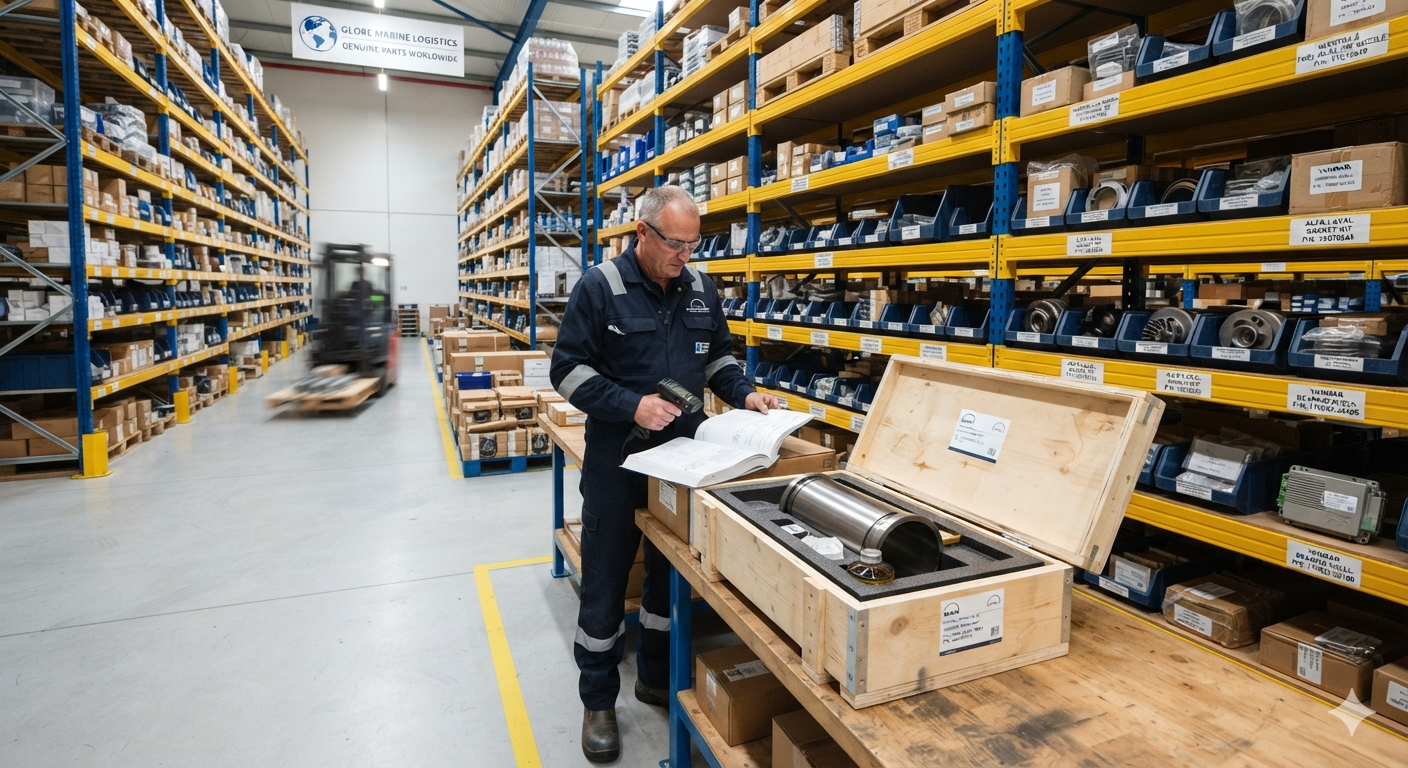
Why OEM Marine Spare Parts Are Better Than Aftermarket Parts
Understanding OEM and Aftermarket Parts
When considering marine spare parts, it is crucial to understand the distinction between OEM (Original Equipment Manufacturer) parts and aftermarket parts. OEM marine spare parts are components produced by the same company that manufactured the original parts for a vessel. This ensures that the replacement parts meet the exact specifications and quality standards established during the original production.
In contrast, aftermarket parts are made by third-party manufacturers who are not associated with the original manufacturer of the vessel. Aftermarket parts can be less expensive and may offer alternative solutions, but they often come with significant variations in terms of quality and performance. Many aftermarket products do not maintain the same standards as their OEM counterparts, which can be a critical factor in marine applications where reliability is paramount.
The main benefits of OEM marine spare parts include guaranteed compatibility, stringent quality control, and compliance with manufacturer specifications. OEM parts undergo rigorous testing and are often certified, ensuring they will perform as expected under specific conditions. This makes them a preferred choice among many marine professionals who prioritize safety and efficiency in their repairs and maintenance.
On the other hand, while aftermarket components can offer savings and broaden choices, they may compromise the reliability and longevity of the vessel. The lack of strict manufacturing standards can lead to performance issues and potential damage to other parts. Therefore, it is essential for vessel owners and operators to weigh the benefits and drawbacks of both OEM marine spare parts and aftermarket options carefully.
Quality and Reliability of OEM Parts
When it comes to marine equipment, the quality and reliability of components are paramount. OEM marine spare parts are manufactured by the original equipment manufacturer, which ensures adherence to strict quality control processes and established manufacturing standards. These parts are crafted specifically for the vessel they are intended to support, implicating a tailored fit and function based on the specific engineering needs of the marine machinery.
In terms of performance, OEM parts often showcase superior reliability under varying marine conditions. For instance, a study comparing the longevity and wear of OEM marine spare parts with aftermarket options revealed that vessels using OEM components experienced significantly lower failure rates. This is largely attributed to the high-quality materials employed in OEM manufacturing, which are selected and tested to meet rigorous marine industry standards.
Another critical aspect of OEM marine parts is the warranty that accompanies them. OEM components typically include a manufacturer’s warranty, thereby providing boat owners with the assurance of support in case of defects or performance issues. This warranty not only covers the parts but also fortifies the overall peace of mind for the end-user, alleviating concerns about the longevity and reliability of their marine investments.
Conversely, aftermarket parts, while sometimes more affordable, often exhibit inconsistent quality. The variability in manufacturing practices leads to potential performance issues and premature failures, disrupting marine operations and incurring costly repairs. The choice of OEM marine spare parts thus becomes a strategic decision for boat operators who prioritize quality and dependability over initial savings.
Cost-Effectiveness in the Long Run
When evaluating marine spare parts, the initial cost is often a significant factor influencing purchasing decisions. OEM marine spare parts tend to have a higher upfront cost compared to their aftermarket counterparts. However, a deeper analysis reveals that this higher initial investment can be justified through various long-term financial benefits associated with OEM components.
One of the primary reasons for considering OEM marine spare parts is the reliability they offer. These parts are specifically designed to meet the exact specifications set by the original equipment manufacturer, ensuring optimal performance and longevity. The higher quality involved in manufacturing OEM parts results in improved durability and reduced maintenance needs. As a case in point, a study conducted among marine professionals indicated that vessels outfitted with OEM parts experienced significantly lower downtime due to fewer malfunctions and repairs, leading to overall increased operational efficiency.
Moreover, while aftermarket parts may seem economically attractive initially, they often lack the same level of quality assurance. Many boat owners have reported that using aftermarket options resulted in more frequent replacements, higher maintenance costs, and ultimately a lower resale value for their vessels. In fact, testimonials from seasoned boaters consistently highlight that investing in OEM parts often yields a higher return on investment when it comes time to sell their vessels. Buyers are generally willing to pay a premium for boats that are known to have reliable OEM components, as this reflects proper maintenance and care.
In conclusion, while the initial price point for OEM marine spare parts is typically higher, the long-term savings associated with their durability, reduced maintenance costs, and enhanced resale value render them a cost-effective choice for boat owners and marine professionals alike.
Conclusion: Making the Best Choice for Your Marine Needs
When it comes to maintaining marine equipment, making the right choice between OEM marine spare parts and aftermarket options is crucial for ensuring the longevity and reliability of your vessels. Throughout this discussion, we have highlighted several key advantages of opting for OEM parts. Notably, these parts are designed specifically for the original equipment, ensuring compatibility and optimal performance. Additionally, OEM parts typically come with a manufacturer’s warranty, which offers added protection against defects and provides peace of mind regarding the quality of the product.
One significant factor to consider is safety. OEM marine spare parts are tested and certified to meet the strictest safety standards, which is essential for equipment that operates under challenging marine conditions. In contrast, aftermarket parts may not undergo the same rigorous testing, potentially leading to safety risks and unreliable performance. By choosing OEM options, boat owners can significantly reduce the likelihood of failures that could compromise safety at sea.
Moreover, the reliability associated with OEM parts cannot be overlooked. These components often have longer lifespans than their aftermarket counterparts, which may result in lower long-term maintenance costs. This aspect becomes particularly relevant for commercial vessels where downtime can have serious financial implications. Therefore, investing in quality OEM marine spare parts is not just a matter of immediate expense but a strategic decision benefiting overall operational efficiency.
To make informed purchasing decisions, it is crucial to validate the authenticity of OEM parts. Look for certifications, check the packaging for signs of tampering, and buy from reputable dealers or directly from manufacturers. By prioritizing safety, reliability, and long-term performance, marine operators can ensure that their vessels continue to function optimally for years to come. In conclusion, choosing genuine OEM parts significantly outweighs the risks associated with cheaper, non-genuine alternatives, guaranteeing the best possible outcomes for your marine needs.